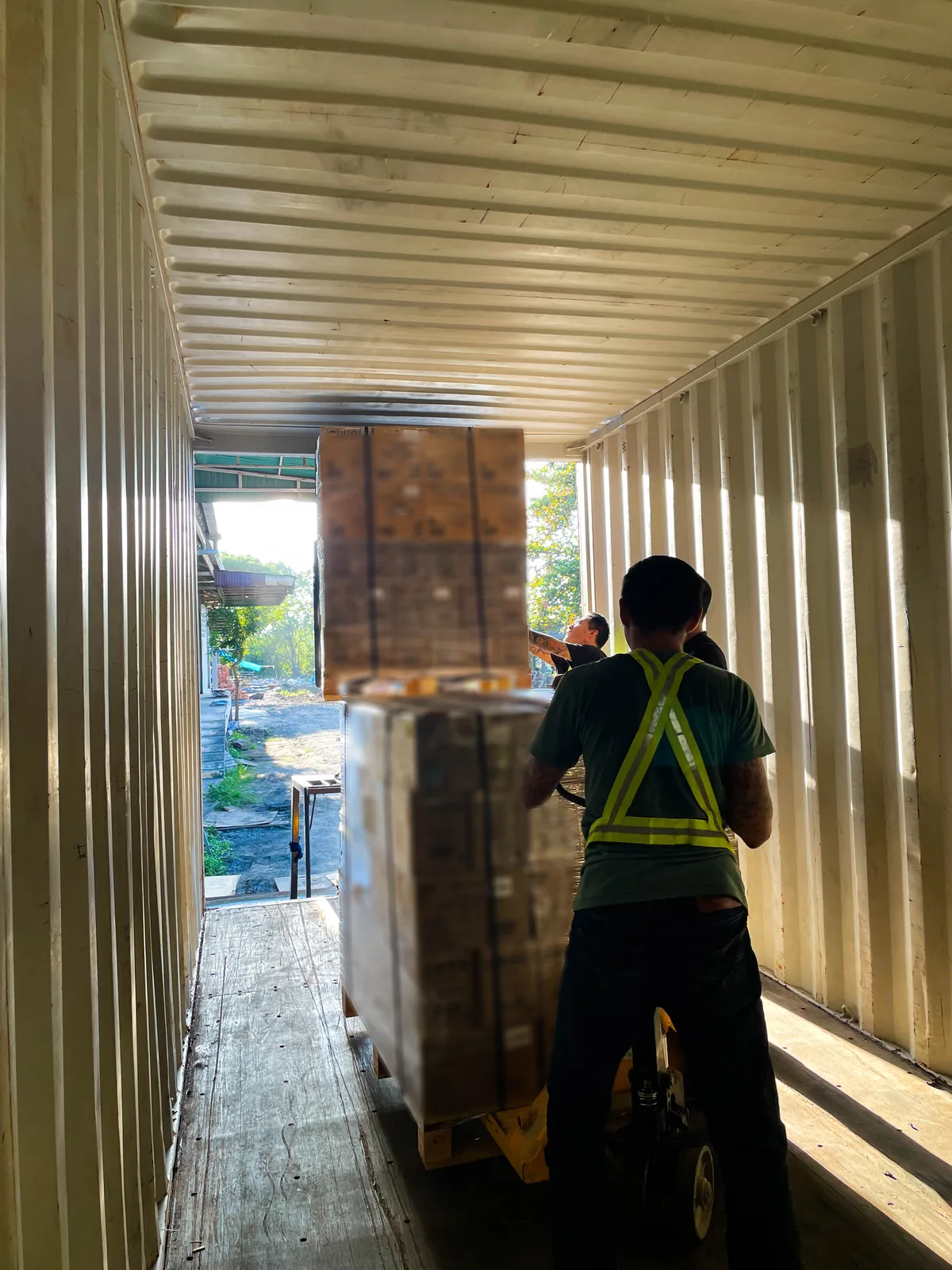
Before any bulk tea is loaded, inspect the actual container in a safe, well-lit position and record a clear accept, clean-and-reinspect or reject decision. Check identity, structural condition, light and water entry, dryness, residue, persistent odour, pests, soil, mould, previous-cargo evidence and the cleanliness of every surface that could affect the packaged tea. Do this before pallets, liners, desiccants or cartons hide the evidence.
This control is narrower than the site's container-loading plan, condensation-prevention checklist and seal-custody workflow. Those controls matter only after the buyer has accepted a container that is suitable for the intended packaged food cargo.
Build one pre-loading container record
| Inspection gate | Buyer should verify | Evidence to retain | Stop or reject trigger |
|---|---|---|---|
| Identity and timing | Container number, size/type, booking, depot handover and inspection before loading | Full-number photograph and timestamp | Wrong unit, obscured identity or cargo already loaded |
| Safe access | Stable position, controlled doors, safe atmosphere and adequate light | Inspector and safety check | Unknown residue, strong fumes, unsafe access or unsecured doors |
| Structure | Doors, seals, walls, roof, floor, corner posts and fittings visibly serviceable | Six-side photo set and defect close-ups | Hole, severe distortion, active leak, unsafe floor or door defect |
| Dryness | No standing water, wet floor, active drip, damp material or unexplained condensation | Surface observations and corrective record | Source cannot be identified and corrected |
| Residue and odour | No previous cargo, oil, chemical, soot, dust, loose paint, debris or persistent smell | Visual/odour result and previous-cargo information where available | Unknown substance, transferable stain or odour remains after cleaning |
| Pest and soil | No live/dead organisms, eggs, webs, frass, seeds, plant debris or soil inside or on accessible exterior surfaces | Photographs and disposal/escalation record | Visible contamination or destination response is unknown |
| Food-cargo fit | Container and any liner, dunnage or pallet are compatible with tea's odour and moisture sensitivity | Approved packing plan | Protection relies on an unapproved liner or on masking contamination |
| Disposition | Accepted, cleaned and reinspected, substituted or rejected by an authorised person | Signed result linked to the booking | Loading starts before the final decision |
Run a nine-step inspection before loading
1. Freeze the container and cargo identity
Record the container number, size/type, booking, carrier or operator, depot handover time, loading site and intended tea lot. Photograph the full identification markings rather than typing the number from a message. If the unit is substituted, start a new inspection record; an approval cannot be transferred to another container.
2. Make entry and door handling safe
Secure the vehicle or container, control both doors and provide adequate light. Do not enter when there is an unknown residue, strong or unusual odour, visible fumigant material, oxygen concern or other atmospheric hazard. Escalate to the operator and a competent safety person. A food-quality inspector is not automatically qualified to test or clear a hazardous atmosphere.
3. Inspect the exterior and structure first
Walk around accessible surfaces before entering. Check door locking gear, hinges, gaskets, roof line, walls, corner posts, lower rails and obvious impact damage. Inside, examine the floor, walls, roof and door seals. The CTU Code suggests checking a closed unit for points of light that may indicate leakage, but a light test is only a screening tool: small openings may be hidden, and light around designed vents is not a defect by itself. Reject or refer structural doubts to the container operator.
4. Prove the unit is dry enough for the plan
Look and feel for standing water, damp floorboards, wet patches, active drips and recent washing that has not dried. Ask what cleaning occurred and when. A dry appearance at one moment does not predict the whole voyage, so connect acceptance to dry tea, dry packaging, suitable pallets, loading weather and the separate condensation plan. Do not use desiccants to compensate for a wet container or wet cargo system.
5. Check residue, transfer and persistent odour
Closed CTUs should be clean, dry and free from previous-cargo residue or persistent odour under the current CTU Code. Inspect corners, floor grooves, wall seams, roof bows and door pockets for dust, powder, oil, chemicals, soot, loose paint, splinters and discarded securing material. Where safe, a clean white cloth can help show whether a dry stain transfers. Tea readily absorbs odour; if an unexplained smell persists, reject the unit rather than masking it with fragrance, extra liner or tea sacks.
6. Inspect for pests, soil and plant material
Check accessible interior and exterior surfaces for insects, spiders, snails, egg masses, webs, frass, animals or parts, seeds, leaves, wood debris, soil and mould. The IPPC recommends visual examination before packing and safe containment or disposal of contaminants so they are not spread. Do not sweep suspect pest material into the loading yard. Follow the applicable plant-health authority's instructions when identification, treatment or reporting is required.
7. Choose a controlled disposition
Accept only when every required field passes. Clean and reinspect only when the contamination is known, the safe method is authorised, cleaning will not leave water, chemicals or odour, and the full inspection can be repeated. Substitute when delay is lower-risk than remediation. Reject and escalate unknown substances, persistent odour, unsafe structure, active leakage, unresolved pests or contamination whose destination treatment is unclear. Never load first and promise to document the exception later.
8. Approve added materials separately
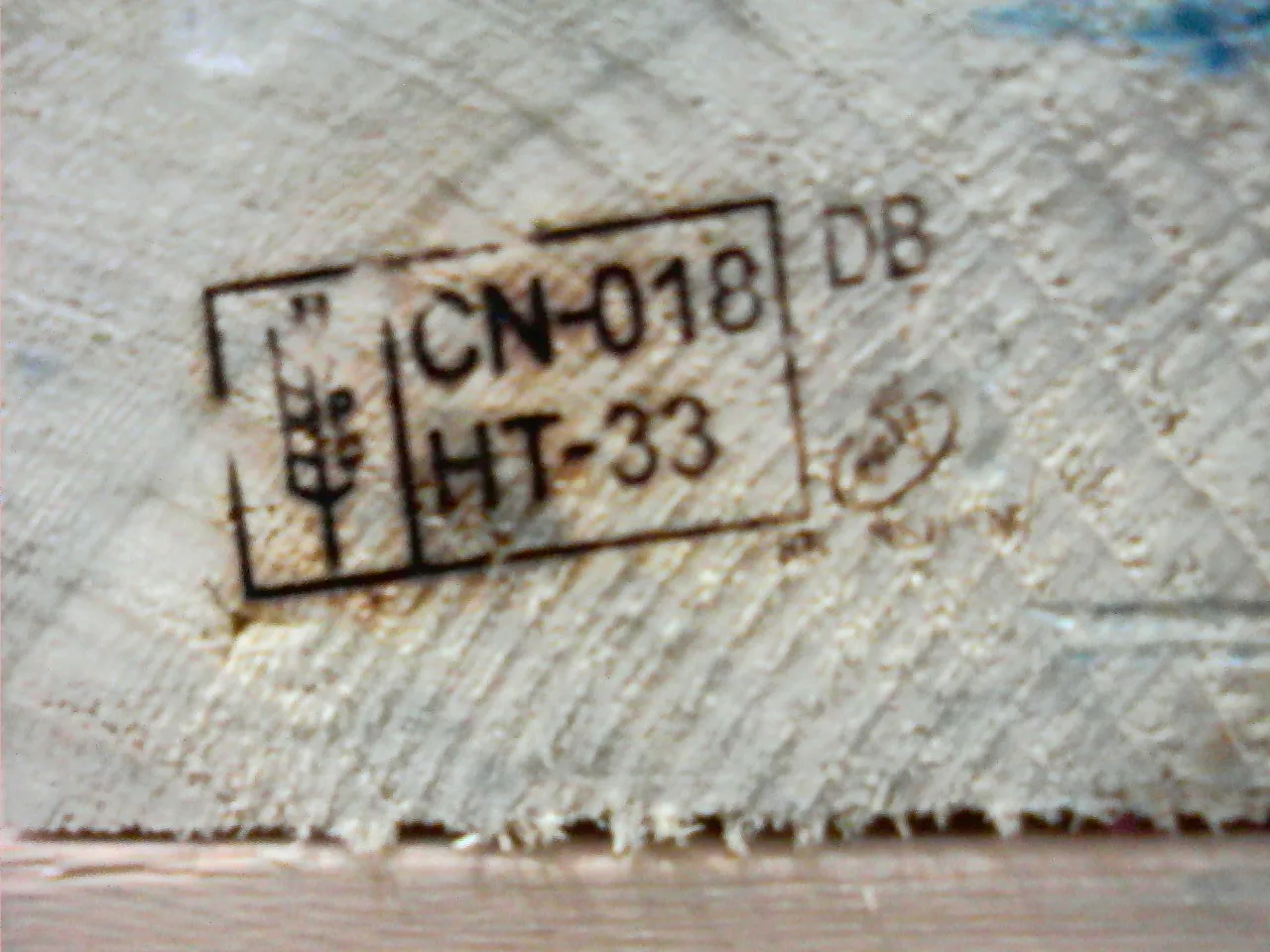
A clean container does not approve its pallets, liners, dunnage, desiccants or load-securing materials. Check that each is clean, dry, odour-free and compatible with the package and route. Apply the ISPM 15 wood-packaging checklist where raw wood is used and the packaging-performance plan for load and distribution stresses. Liners protect packages; they do not cure an unsuitable container.
9. Close evidence before the first package crosses the doors
Retain a dated photo sequence showing identity, exterior, open doors, floor, both sidewalls, front wall, roof and every exception. Record inspector, method, result, cleaning, reinspection and approval. Lock the accepted record to the booking and loading checklist. If the container changes or becomes contaminated while waiting, reinspect. Continue with package count, load distribution, moisture controls and the final seal only after this gate is closed.
Keep five requirement types separate
- Legal requirement: national food-safety, workplace-safety, plant-health and transport rules may impose binding duties for the route and parties involved.
- Voluntary international code: the 2014 IMO/ILO/UNECE CTU Code is a non-mandatory global code of practice. As checked on 18 October 2026, its revision had been sent for expected IMO approval in December 2026 but was not yet the approved replacement.
- Codex reference: CXC 47-2001 is advisory guidance for bulk and semi-packed food transport; governments decide how to use it. Packaged bulk tea should not be claimed to fall within every provision without a scope review.
- Buyer specification: defines inspection fields, hygiene sensitivity, photo evidence, disposition thresholds and approval authority for the tea shipment.
- Contract requirement: allocates clean-container provision, substitution, cleaning, delay, inspection access and cost without overriding law or safety responsibility.
Common buyer mistakes
- Accepting a depot's “food grade” description without inspecting the actual numbered unit.
- Inspecting after loading has hidden the floor, walls and front of the container.
- Checking only the interior and missing exterior soil, pests or structural damage.
- Using smell alone and ignoring transferable residue or damp flooring.
- Assuming a liner makes previous-cargo residue or persistent odour irrelevant.
- Washing shortly before loading and creating a moisture problem.
- Using desiccants as a remedy for wet wood, wet packaging or an active leak.
- Sweeping pest contamination into the yard without controlled disposal.
- Photographing defects but recording no authorised accept/reject decision.
- Reusing the approval after the carrier substitutes the container.
Practical conclusion
Use the sequence identify - make safe - inspect structure - verify dry - check residue and odour - check pests - decide disposition - approve added materials - close evidence. The useful output is not a generic cleanliness certificate; it is a shipment-linked decision proving why the actual container was acceptable before tea entered it.
Connect this gate to Yunjing Tea's bulk packing and container planning, pre-shipment inspection record and sample-to-shipment quality controls. Then send the product, pack format, destination and container plan for a specification-based discussion.
Sources checked 18 October 2026: UNECE's current IMO/ILO/UNECE CTU Code page and CTU checking and cleanliness guidance; Codex Alimentarius' current listing and text for CXC 47-2001, Code of Hygienic Practice for the Transport of Food in Bulk and Semi-Packed Food; the IPPC's Sea Container Supply Chains and Cleanliness best-practice guide; and IMO's September 2026 CTU Code revision status. Recheck current law, competent-authority instructions, carrier rules, previous-cargo information and contract requirements for every route and shipment.