Choose FOB when the buyer wants to appoint and pay the ocean carrier; choose CFR when the seller should pay ocean freight but the buyer will arrange transit insurance; choose CIF when the seller should pay both freight and minimum cargo insurance. Under all three Incoterms® 2020 rules, delivery and risk transfer when the goods are on board the vessel at the named port of shipment - not when the tea reaches the destination port. For normal containerized tea handed to a carrier or terminal before vessel loading, first test whether FCA, CPT or CIP fits the real handover better.
The decision in one table
ICC identifies FOB, CFR and CIF as rules for sea or inland-waterway transport. The table is a negotiation map, not a substitute for the controlled Incoterms® 2020 text or the freight forwarder's charge schedule.
The important split is cost versus risk. Under CFR and CIF the seller pays carriage to the named destination port, yet the buyer bears transit risk after the tea is loaded on board at origin. A destination-port price therefore does not mean destination delivery or seller-held voyage risk.
Check the cargo handover before choosing a term
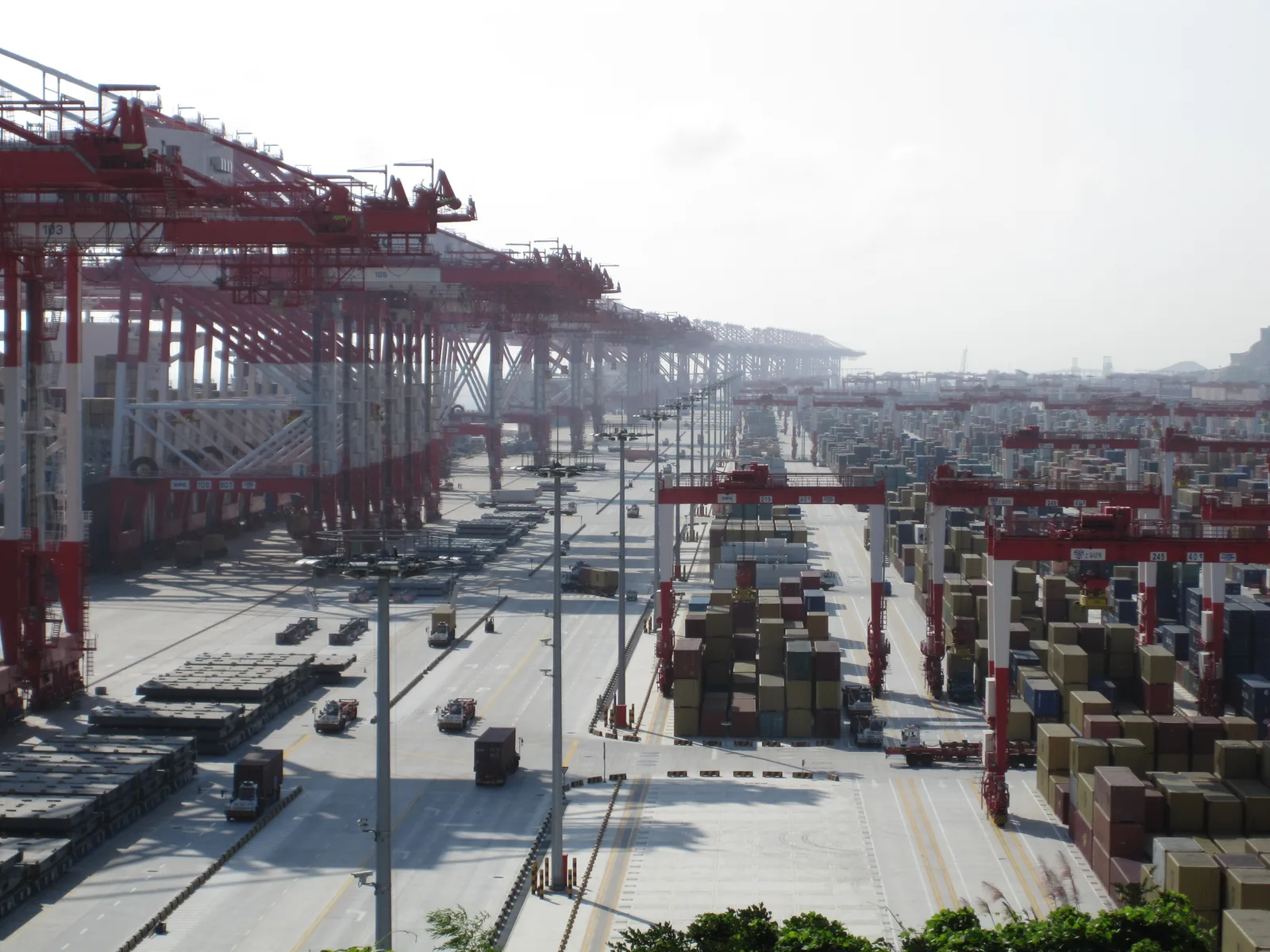
Bulk tea commonly travels in sealed containers and may move by truck, terminal handling and ocean vessel under one transport plan. ICC Academy's FOB comparison says FCA is appropriate for containers, pallets and multimodal movements, while FOB is designed for port-to-port maritime delivery on board. ICC's own 2023 usage report also records its recommendation against using FOB, CFR and CIF for container shipments.
That does not make an existing FOB container quotation automatically invalid. It creates a control question: does the contractual risk point match the place where the seller actually hands the packed container to the carrier? If the seller loses custody at an inland depot or terminal days before loading, FCA can place delivery at that named handover point. If the seller is also paying carriage, compare CPT; if seller-arranged insurance is wanted, compare CIP. Obtain competent trade advice for the actual route and finance documents.
Build the landed-cost comparison correctly
Do not compare the three headline prices as if their scope were identical. Ask for the same product, lot basis, net weight, packing, currency, validity period, shipment window and named points, then normalize every remaining cost.
Request the carrier quotation behind CFR or CIF when commercial confidentiality permits, or at least an itemized inclusion list: origin terminal handling, documentation, ocean freight, fuel and security surcharges, transshipment, destination terminal handling, delivery order, equipment charges and free time. The Incoterm allocates categories of obligation; it does not turn a vague freight offer into a complete landed-cost quote. Demurrage, detention, storage and inspection costs can still depend on the cause, carrier tariff and contract wording.
Audit CIF insurance instead of reading the acronym
ICC states that CIF's default insurance remains Institute Cargo Clauses (C) or similar minimum cover, while the parties may agree to higher cover. The official rule text also sets a minimum insured amount of 110% of the contract price in the contract currency. Minimum cover is not the same as protection against every tea-shipment loss.
Before accepting CIF, obtain and review the proposed insurer, policy or certificate form, assured or beneficiary, voyage, insured value and currency, coverage clauses, exclusions, deductible, claim location, required documents and notice deadlines. Check whether moisture ingress, condensation, odour contamination, wet damage, theft, shortage, general average, transshipment and extended inland legs are covered or excluded. If the buyer needs broader protection, write the clause and any extensions into the sale contract rather than asking only for "CIF insurance."
Use this nine-point term-selection method
- Map the physical route. Record factory pickup, container stuffing, depot or terminal handover, vessel loading, transshipment, destination discharge and final delivery.
- Choose the correct rule family. For container or multimodal handover, compare FCA/CPT/CIP before defaulting to FOB/CFR/CIF.
- Choose carrier control. Use FOB only when the buyer can book space, manage schedule changes and meet the seller's vessel-notice needs. Use CFR/CIF when seller-arranged freight creates real operational value.
- Align risk and insurance. Under FOB and CFR, the buyer normally arranges cover from the on-board risk point. Under CIF, verify that the seller's policy actually matches the buyer's exposure.
- Name the point precisely. Write the correct shipment or destination port and terminal where relevant, followed by Incoterms® 2020. "CIF Europe" or "FOB China" is not precise enough.
- Normalize the price. Use the landed-cost worksheet and one shipment assumption. Do not compare a current FOB freight quote with an old CFR rate.
- Reconcile documents. Confirm bill-of-lading type, on-board notation, consignee, freight notation, insurance document, certificate needs and any letter-of-credit conditions before booking.
- Write exception rules. Allocate rate changes, rolled bookings, port changes, inspection, storage, demurrage, detention and late-document consequences instead of assuming the three-letter term solves them.
- Lock the commercial record. Put the selected rule, named point, edition, price scope and attachments into the signed contract and purchase order.
Keep the Incoterm separate from law, specification and contract
- Trade reference: a request such as "quote FOB" starts a price conversation but is incomplete without the named port, edition and scope.
- Voluntary contractual standard: Incoterms® rules allocate selected delivery tasks, costs and risks when the parties incorporate them. They are not automatically the governing law.
- Legal requirement: food law, customs, sanctions, import prohibitions, tariffs and other mandatory rules apply independently in the relevant jurisdictions.
- Buyer specification: the tea's grade, sample, sensory profile, analytical limits, packing, net weight and release method must be defined separately.
- Contract requirement: the sale contract must also address price and payment, title, inspection, non-conformity, delay, force majeure, remedies, governing law and dispute resolution. ICC expressly says Incoterms® rules do not decide those matters.
Common buyer mistakes
- Believing CFR or CIF keeps voyage risk with the seller until arrival.
- Using FOB for every container without mapping pre-loading handover.
- Assuming CIF means comprehensive all-risks insurance.
- Comparing headline prices without destination charges and inland delivery.
- Writing a country or city instead of a precise named port or point.
- Omitting "Incoterms® 2020" from the contract reference.
- Leaving freight validity, surcharges and free time undefined.
- Expecting the Incoterm to control tea quality, payment, title or remedies.
- Failing to coordinate the term with the bill of lading or letter of credit.
Practical conclusion
The defensible sequence is map handover - choose rule family - allocate carrier control - align insurance with risk - normalize landed cost - name the point and edition - close the contract gaps. The best term is the one that matches the real container route and the party best able to control each task, not the acronym with the lowest quoted number.
Use Yunjing Tea's bulk packing and container planning page to define the shipment unit, review the container-loading guide, attach the bulk tea purchase specification and send the destination, volume, pack and requested trade term for a comparable quotation.
Sources checked 9 August 2026: ICC, Incoterms® 2020 overview and current insurance guidance (edition effective 1 January 2020); ICC Academy, FCA or FOB? (19 November 2024); ICC Academy, CFR or CIF? (21 August 2024); ICC Digital Library, Incoterms® 2020 Q&A on contract scope; and ICC, Ibero-American Report on the Use of the Incoterms® 2020 Rules (June 2023).