For an EU-bound bulk tea order, create one file that identifies every packaging component, assigns the PPWR role for each format, and separates current requirements from later phases. Regulation (EU) 2025/40 generally applies from 12 August 2026. PFAS controls, operator mapping and conformity evidence are immediate questions; harmonised labels and several design and waste-reduction rules follow later timetables.
Start with the right rule and the right date
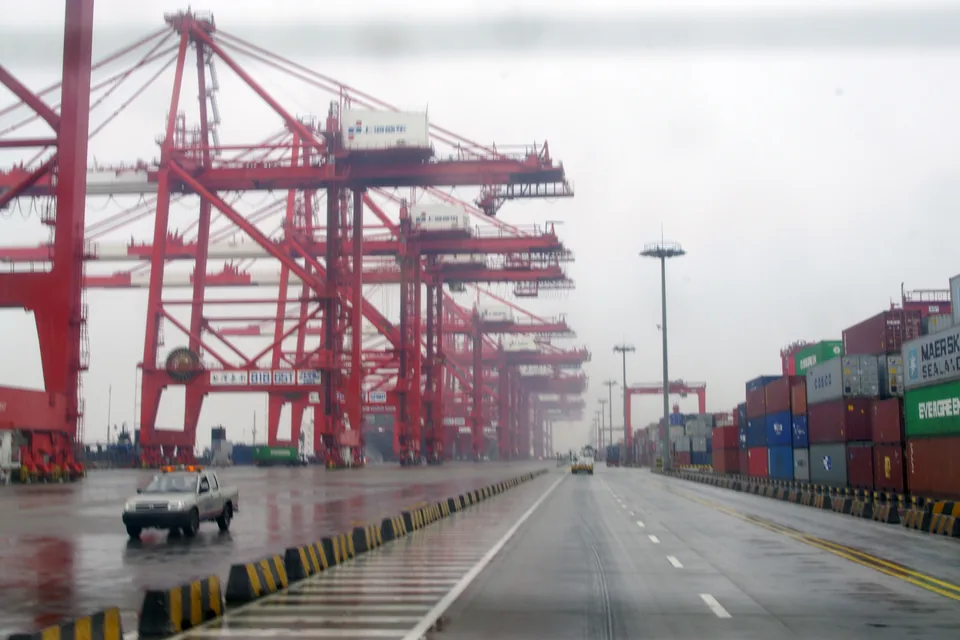
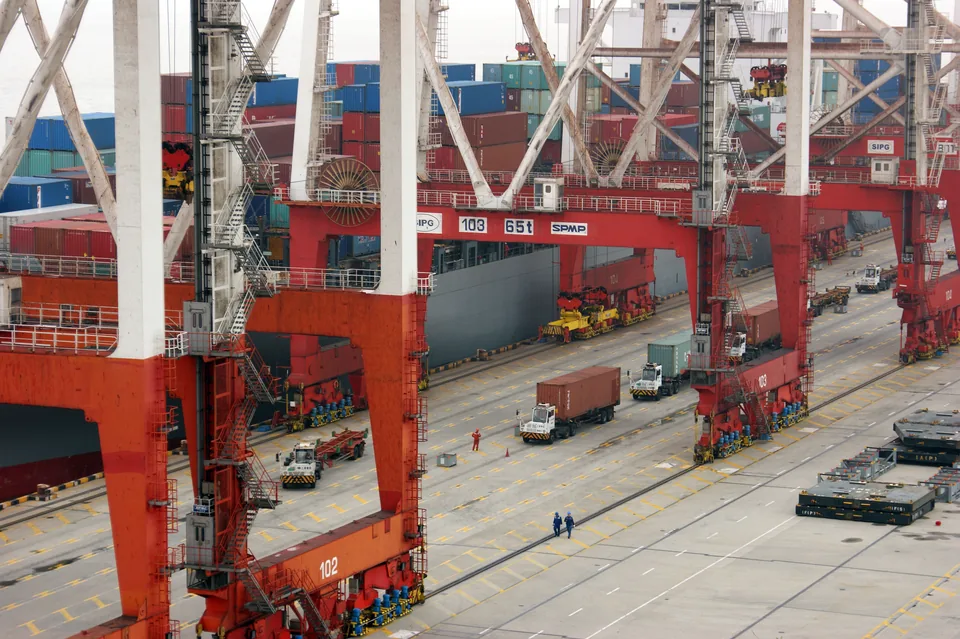
The PPWR covers packaging placed on the EU market whether empty or filled and regardless of material or origin. A liner, sack, carton, label, pallet, wrap and strap may sit in different categories. Freight containers are excluded from transport packaging, but the packaging inside them is not.
The PPWR does not replace food-contact law, and it does not make every future target enforceable on 8 September 2026. Control each requirement against the legal act and current Commission guidance.
| Checkpoint | Current position checked 8 September 2026 | Buyer action |
|---|---|---|
| General application | The PPWR generally applies from 12 August 2026 | Map every packaging format and responsible operator now |
| PFAS in food-contact packaging | Article 5(5) limits apply to packaging placed on the market from 12 August 2026 | Obtain format-specific evidence before releasing a tea-contact liner or coating |
| Harmonised material label | Article 12 starts from 12 August 2028 or 24 months after the relevant implementing act, whichever is later; most transport packaging is excluded | Do not invent an EU label early; keep artwork capable of controlled revision |
| Design for recycling | Detailed Article 6 criteria and grades start from 2030 or 24 months after the delegated act, whichever is later | Collect component and separation data now, then recheck the adopted criteria |
| Recycled content, minimisation and reuse | Key obligations use 2028 or 2030 dates and include conditions, methods and exemptions | Make a dated roadmap by packaging type rather than copying one target across the pack |
Build one PPWR packaging control sheet
| Control field | What to record | Release question |
|---|---|---|
| Format and function | Component, material, dimensions, mass, product-contact status and sales/grouped/transport role | Has every physical packaging item been classified separately? |
| Economic operators | Manufacturer, packaging-material supplier, importer, distributor, producer for EPR and any authorised representative | Who owns each legal action in each Member State? |
| Identity and traceability | Drawing, article code, material structure, print version, packaging lot and linked tea lot | Can the delivered pack be matched to the conformity dossier? |
| Substances | Lead, cadmium, mercury, hexavalent chromium and, for food-contact packaging, PFAS evidence | Does the evidence cover the finished component and applicable threshold? |
| Conformity file | Applicable articles, risk assessment, standards or specifications, calculations, test reports and EU declaration of conformity | Can the responsible operator demonstrate rather than merely assert conformity? |
| Market duties | Importer identification, destination register, producer/EPR route, reporting data and document language | Is the market-specific duty assigned before placing or making available? |
| Phased requirements | Label, recyclability, recycled content, minimisation, empty-space and reuse dates applicable to this format | Which change must be completed before the next affected order? |
| Change and disposition | Notice triggers, approver, effective lot, obsolete-stock rule and hold/withdraw/recall route | Can an unapproved substitution enter the shipment? |
Use an eight-step buyer approval method
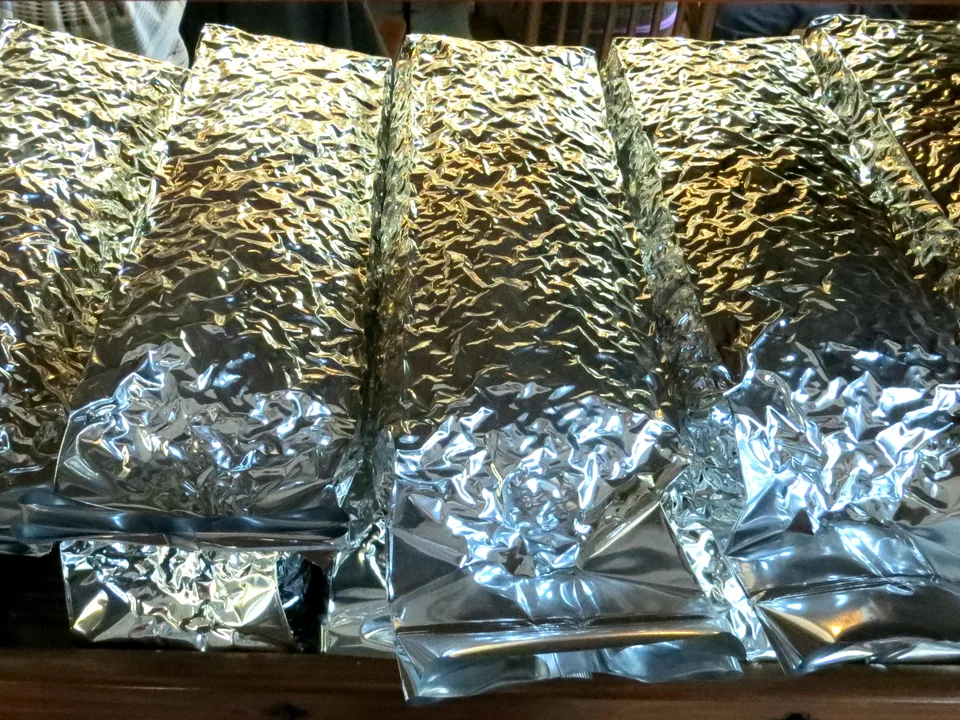
- Draw the complete packaging system. Work from tea outward: liner, closure, sack or carton, label, ink and adhesive, grouped unit, pallet, wrap and straps. Record which components remain together or separate; different layers and coatings may need different evidence.
- Classify each format before assigning a company. The June 2026 guidance says the filler is normally the manufacturer for sales and grouped packaging. For transport packaging, it is normally the packaging maker unless the user's name or trademark appears. An importer or distributor can become the manufacturer by using its name or making a compliance-relevant change. Document the actual arrangement.
- Freeze technical identity. Assign one controlled specification to each component: supplier and manufacturing site, article code, layers or material, dimensions, mass, colour, printing, adhesive or coating, closure and lot code. Link approved packaging lots to the tea lots packed with them. A generic material statement cannot support a different finished construction.
- Keep food-contact and waste rules separate. First confirm the liner and any relevant ink, adhesive or coating for the actual dry-tea contact conditions using the food-contact packaging specification guide. Then assess PPWR composition, recyclability, labelling and waste duties. A migration declaration does not automatically demonstrate recyclability; a recycling claim does not demonstrate safe food contact.
- Close the current PFAS question. Article 5(5) sets thresholds of 25 ppb for any targeted non-polymeric PFAS, 250 ppb for the sum of targeted PFAS with precursor treatment where applicable, and 50 ppm for PFAS including polymeric PFAS, subject to the legal text and other Union restrictions. Because no harmonised EU method exists, Commission guidance recommends a stepwise approach. Require the finished component, sampling basis, method, coverage, reporting limits and conclusion; do not treat “PFAS-free” as a universal test result.
- Assemble the conformity dossier before shipment. Annex VII calls for the packaging description and use, design and materials, specifications, assessments and test reports. The manufacturer completes the assessment and EU declaration; the importer checks the assessment, technical file, required labels, documents and operator identity. Keep one controlled index.
- Map producer registration and EPR market by market. Manufacturer, importer and producer are separate roles. Article 44 links registration to each Member State where packaging or packaged products are first made available, or where a qualifying business unpacks them without being the end user. Confirm the responsible producer, authority or organisation, registration, reporting categories and weights for each destination.
- Create a phased redesign calendar. Separate 2026 compliance from future work. Monitor harmonised labelling, the 2028 sales-pack empty-space rule, and later recyclability, recycled-content, minimisation, transport empty-space and reuse requirements. Commission guidance treats the first EU warehouse as important for future imported transport-pack reuse. Recheck secondary legislation before locking a 2028 or 2030 design.
Keep requirement types separate
- Legal requirement: the PPWR and Member State procedures bind within scope; food-contact law continues separately.
- Official guidance: Commission guidance explains its interpretation but does not amend the Regulation.
- Voluntary standard: an EN or ISO standard controls only when legislation, specification or contract gives it effect.
- Trade reference: “recyclable,” “mono-material,” “PFAS-free” and recycling symbols are claims, not a conformity file.
- Buyer specification: the buyer fixes pack, evidence, performance, data, change notice and release criteria.
- Contract requirement: the agreement assigns documents, testing, redesign, EPR data, approval and remedy; it cannot waive law.
Common buyer mistakes
- Assuming bulk B2B sacks or imported filled packs sit outside the PPWR.
- Treating the ocean container as packaging while omitting liners, labels, pallets, wrap or straps.
- Using one operator name for manufacturer, importer and producer without applying the definitions.
- Accepting “food grade” as proof of PPWR conformity, or PPWR conformity as proof of food-contact suitability.
- Requesting a resin certificate that does not identify the finished liner, coating or packaging lot.
- Using a PFAS statement with no component, method, reporting limit or date.
- Printing a future harmonised sorting label before the applicable implementing rules are settled.
- Applying a 2030 recycled-content or reuse percentage to every component without checking format, calculation basis and exemptions.
- Ignoring Member State producer registration, EPR administration and reporting data.
- Changing film, coating, adhesive, print or pack dimensions without reassessing the controlled dossier.
Practical conclusion
The usable sequence is map the pack - classify each format - assign operators - freeze identity - separate food-contact and PPWR evidence - close current chemical controls - index the conformity file - map EPR - schedule future redesign - release only the approved version. Add this control sheet to the bulk green tea purchase specification, test the physical system with the packaging performance plan, and keep label revisions aligned with the EU artwork checklist.
Before ordering custom packs, review Yunjing Tea's bulk packing and buyer-mark options and send the tea, destination, net mass, pack structure and controlled artwork brief. The EU importer and qualified advisers should make the PPWR role and destination-law decisions before the packaging is produced or the shipment is released.
Sources checked 8 September 2026: Regulation (EU) 2025/40 on packaging and packaging waste, published 22 January 2025 and generally applicable from 12 August 2026; the European Commission's Guidance document C/2026/3084, published 10 June 2026; the Directorate-General for Environment's updated PPWR FAQ, publication page dated 3 August 2026; and the Commission's 11 August 2026 application update. Check the live legal act, adopted secondary legislation and destination Member State procedures for the actual packaging before approval.