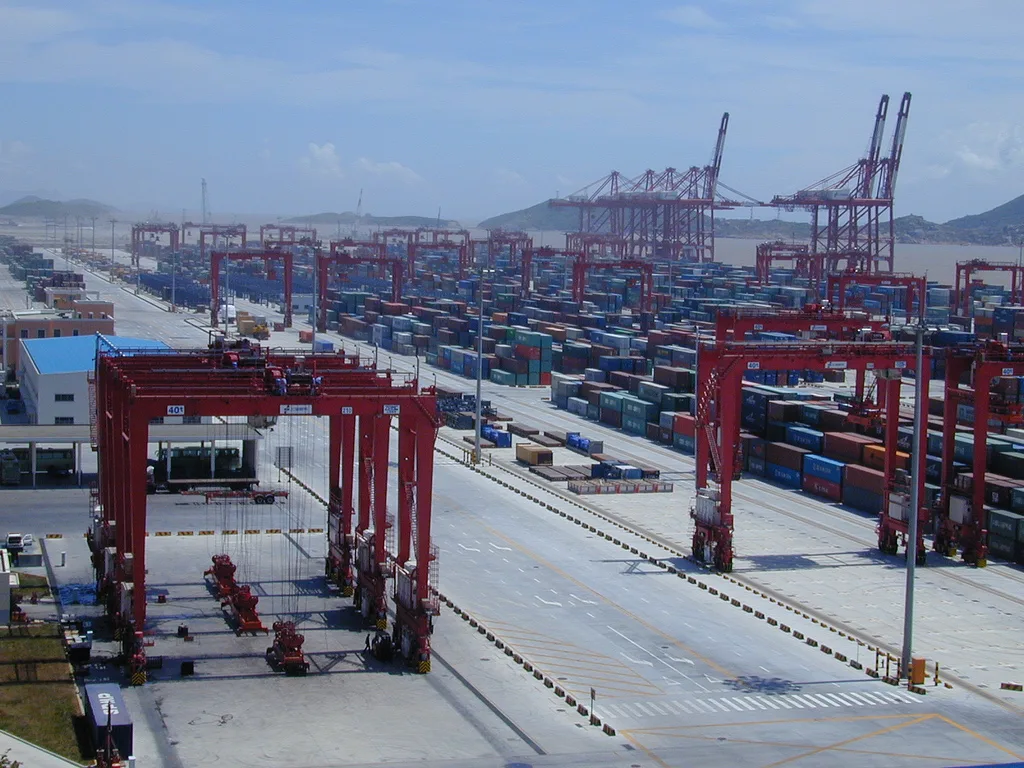
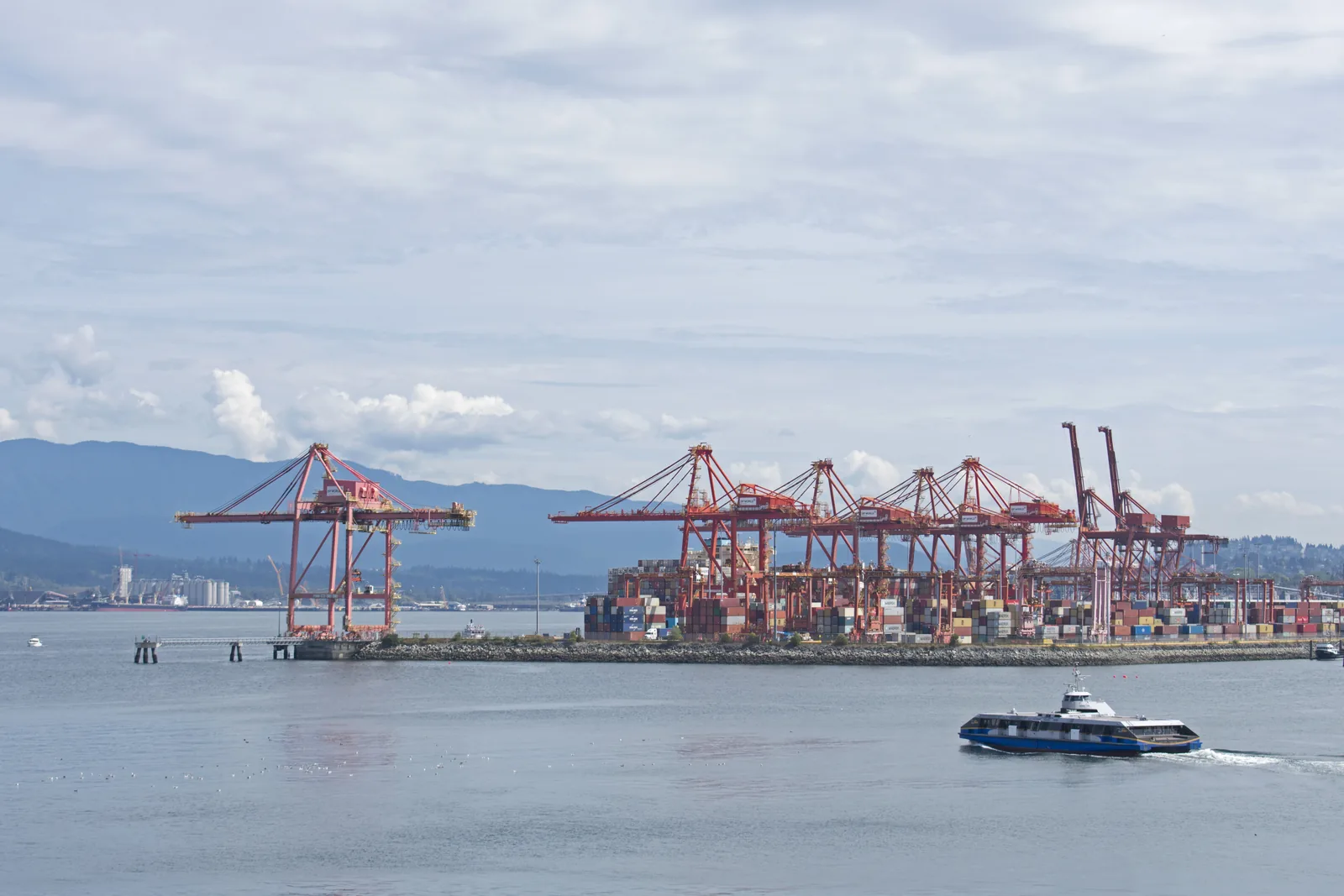
Before a bulk tea shipment is booked for Canada, identify the legal importer, decide whether the exact product falls within the narrow tea-leaf exception, validate the Safe Food for Canadians licence where required, save a dated AIRS result, and connect the lot to preventive-control and traceability records. Give the customs broker one approved data sheet and keep the tea on hold until declaration acceptance and any agency controls are complete. “Bulk tea” by itself does not decide the licence route.
Start with the product, not the shipment size
The Safe Food for Canadians Regulations (SFCR) list tea leaves in Schedule 1, but the relevant import exception is conditional. The food must be unprocessed, intended for later manufacture, processing or treatment for use as a beverage, not consumer prepackaged, and labelled or accompanied by the prescribed “For Further Preparation Only” wording. A 25 kg sack is not automatically exempt merely because it is industrial packing.
Commercial green tea has normally undergone operations such as fixing, rolling and drying. Do not decide from the words “tea leaves” or “bulk.” Document the actual processing, ingredients, presentation and Canadian end use, then use CFIA's licensing tool and the current Automated Import Reference System (AIRS). If the product is flavoured, blended with another botanical, consumer packed or intended for extraction, run a separate classification and requirements check.
| Product route question | Evidence to retain | Decision |
|---|---|---|
| Is the tea processed, prepared or treated before export? | Process description and supplier statement matched to the specification | Do not claim the Schedule 1 exception if the statutory conditions are not all met |
| Is it non-consumer-prepacked and genuinely for further preparation? | Pack hierarchy, Canadian use and exact accompanying wording | Confirm the exception with current CFIA tools before filing |
| Does the SFC licence cover importing and the declared commodity? | Current My CFIA record and exact eight-character licence number | Amend or obtain the licence before entry if required |
| Do origin, destination and end use match the AIRS search? | Dated AIRS result with inputs, HS code and OGD extension | Resolve differences before the broker transmits the declaration |
Build one ten-field Canadian import record
Create a controlled record for each product-and-route combination. Include: (1) Canadian importer and SFC licence holder; (2) licence number, status, activity and commodity scope; (3) product common name, ingredients, processing and intended use; (4) HS code, OGD extension and dated AIRS inputs/result; (5) foreign supplier, manufacturer and country of origin; (6) lot code and specification revision; (7) package hierarchy, net quantity and marks; (8) vessel or carrier, voyage, first point of entry and first Canadian destination; (9) preventive-control or documented-exception reference; and (10) declaration status, inspection status and final release authority.
This is not a substitute for the declaration. It is the buyer's reconciliation sheet joining supplier evidence, broker transmission and the received lot. Link it to the supplier document pack and the purchase specification.
Use an eight-step pre-entry and release workflow
1. Describe the actual tea
Record green or black tea, plain or flavoured, loose leaf or extract input, processing steps, ingredients, immediate and outer packs, net mass, origin and Canadian end use. Reconcile the supplier's process statement with the purchase specification and invoice description. Stop if the commercial description conceals a blend, flavouring or different presentation.
2. Identify the responsible importer
Name the person that will import the food and the party whose SFC licence will be declared. Keep importer of record, consignee, broker and licence holder as separate roles even when one company performs several of them. If a non-resident-importer structure is proposed, verify current eligibility and direct-shipment conditions rather than assuming the foreign seller can hold the licence.
3. Decide the licence route before purchase
Apply the statutory conditions to the exact product. CFIA's current step-by-step guide says a licence is required to import food, including food ingredients, subject to the available exceptions. The licence must be active, issued for “Importing Food,” and cover the commodity being declared. Treat the unprocessed-tea exception as a documented conclusion, not a supplier checkbox.
4. Save a dated AIRS result
Run AIRS using the commodity, origin, destination and end use that will actually apply. Save the inputs, result, HS code, OGD extension, registrations or documents identified, query date and reviewer. CFIA calls AIRS a frequently updated reference tool and tells users to consult the legislation to interpret the law. Re-run it after a product, origin, use or route change and shortly before entry.
5. Connect the lot to preventive controls
SFCR section 11 generally requires imported food to have been manufactured, prepared, stored, packaged and labelled under conditions that provide at least the same level of protection as the listed Canadian preventive controls. Map expected biological, chemical and physical hazards to supplier controls and evidence. Use the COA review method for lot reports and the sampling method when testing is part of verification.
A written preventive control plan (PCP) is normally required for licence holders, but SFCR section 86 contains specific exceptions, including a sales-based exception for certain foods. An exception from maintaining a written PCP does not turn an unsafe or incorrectly declared product into an acceptable import. Record the legal basis used and the preventive controls that still apply.
6. Freeze the broker instruction pack
Issue the exact licence number without spaces or added words, product description, codes, parties, origin, quantities, lot, transport, entry point, Canadian destination and supporting documents. The SFCR requires import information such as importer identity, supplier, origin, first destination, common name and quantity before or at import, unless the Minister authorises a later submission. Use the site's broker handoff checklist to control changes and obtain a copy-back of filed data.
7. Triage messages without rewriting facts
If the transaction is rejected, classify the message before editing. A missing, malformed, inactive, wrong-activity or wrong-commodity licence needs the corresponding My CFIA or data correction. An AIRS coding mismatch requires product and classification review. Do not replace the manufacturer, origin, product or intended use simply to pass a validation. Keep the shipment on hold and preserve the original message, corrected field, evidence, approver and resubmission result.
8. Reconcile release and traceability
Declaration acceptance is not the same as final release, and customs release does not close private quality controls. Compare the filed data with the landed packs, lot marks and documents; confirm any CFIA status; and apply the arrival quarantine and release workflow. SFCR traceability records generally connect common name and lot or unique identifier one step back and one step forward, remain accessible in Canada for two years, and must be producible to CFIA within the required time.
Separate the kinds of requirements
- Legal requirement: the SFCR and other Canadian law determine licensing, import information, preventive controls, traceability and food compliance.
- Official reference tool: AIRS converts selected facts into current CFIA import guidance; it is not the law and does not prove that the selected facts are correct.
- Trade reference: an HS description or broker convention supports classification work but does not grant admissibility.
- Voluntary standard: a food-safety or laboratory standard can structure evidence but does not replace an SFC licence or statutory duty.
- Buyer specification: defines the tea, lot, tests, packing and acceptance rules used to control the purchase.
- Contract requirement: can allocate document duties, change notice, delay costs and remedies; it cannot compel an authority to release the goods.
Common buyer mistakes
- Assuming every bulk sack of tea qualifies as unprocessed Schedule 1 material.
- Checking only whether a licence number exists, not its status, activity and commodity scope.
- Running AIRS with a generic product or different end use from the shipment.
- Using the seller as manufacturer, importer, consignee and licence holder without role evidence.
- Sending the broker a licence image but not the exact declaration value.
- Treating a supplier certificate as the importer's preventive-control decision.
- Changing an HS code or OGD extension only to clear a reject message.
- Releasing after electronic acceptance while inspection or private quality holds remain open.
- Keeping traceability data in disconnected PDFs that cannot be retrieved quickly.
- Failing to rerun licence and AIRS checks after a product, source, pack or use change.
Practical conclusion
A defensible Canada route is define the tea - decide the exception or licence route - validate the importer and scope - save AIRS - connect preventive controls - freeze entry data - resolve messages - reconcile release and traceability. Put the dated record beside the shipment file and reopen it whenever the product or route changes. Review Yunjing Tea's sample-to-shipment quality controls and send the tea, pack, destination and document needs before contracting.
Sources checked 1 October 2026: the official Safe Food for Canadians Regulations, current to 21 September 2026 and last amended 19 September 2025, especially sections 11, 13, 47, 86, 89 to 92 and Schedule 1; CFIA's Importing food to Canada: a step-by-step guide, modified 17 September 2026, including current SFC licence validation and rejection rules; CFIA's current Automated Import Reference System guidance; and CFIA's current traceability requirements. Recheck the actual product, current law, AIRS result and licence status before every entry.